
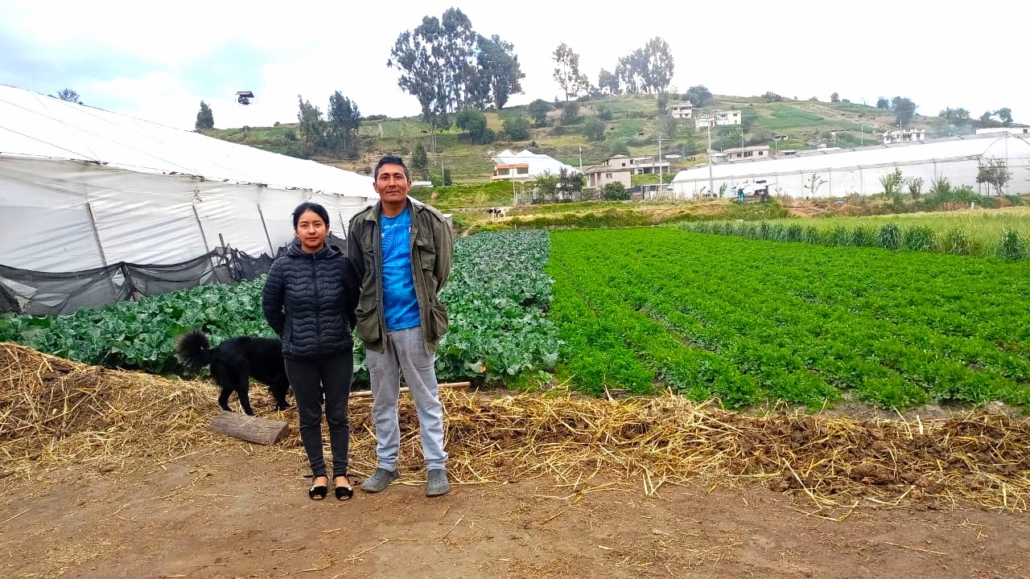
Agriculture plays a central role in Ecuador’s rural economy. Thousands of smallholder farmers depend on it not only for their livelihoods and food security. These producers often work on small plots of land, combining traditional knowledge with limited resources. They often face increasing pressure from climate change, soil degradation, and market demands for more sustainable production.
At ECLOF Ecuador, we are taking a practical step to better understand and strengthen Good Agricultural Practices (BPA) among smallholder farmers. BPA are essential tools that help protect farmers’ health, safeguard natural resources, and ensure that products meet quality and safety standards required by buyers.
As a first move, we applied a simple diagnostic questionnaire with a small group of 11 producers across different rural areas. This pilot allows us to build an initial baseline, which we plan to expand over time to gain a clearer picture of needs and opportunities in the field. The first results are encouraging.
Many producers already apply good practices: they pay workers fairly, respect rest periods, ensure access to drinking water during the workday, use basic protective equipment when handling agrochemicals, and store these products away from food and living spaces. These habits form an important foundation for safe and responsible farming.
At the same time, the assessment highlighted several areas where additional support can make a meaningful difference. The main challenges relate to the management of agrochemicals, the disposal of empty containers, and environmental practices such as burning crop residues or the absence of trees and reforestation around farms. These issues are common in small-scale agriculture and can be addressed with targeted, practical guidance.
Our next step is to move from diagnosis to action. We plan to prepare short, hands‑on field trainings focused on simple, applicable improvements: safer and more efficient use of agrochemicals, correct triple rinsing and collection of containers, alternatives to burning residues, and basic practices to protect soil and biodiversity. By expanding the sample and working directly with producers on their farms, we aim to reduce risks, strengthen sustainability, and support farmers in maintaining healthy production systems and continued access to credit.
This is a small initiative, but one with strong potential to create meaningful impact where it matters most: on the ground, with producers.


