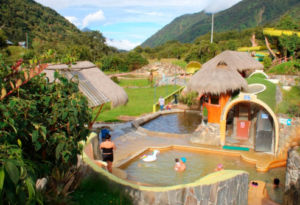
 Oyacachi lies within Cayambe-Coca National Park, a high-Andean valley of rivers, waterfalls, and hot-spring. Locals call it “la tierra del agua” (the land of water), its charm draws weekend tourists to bathe in the thermal pools, hike riverside trails, and enjoy local meals. Because the hot springs are community-managed, most of that income stays local.
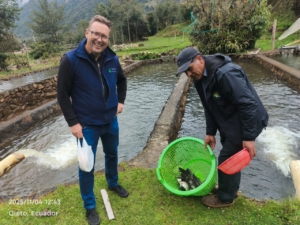
 Tourism leads, but water also feeds livelihoods. Trout (trucha) farming in family tanks and river fisheries as well as dairy farming provide additional income, supported by a milk collection centre and family-run fisheries. Restaurants proudly serve fresh trout sourced from Oyacachi producers.
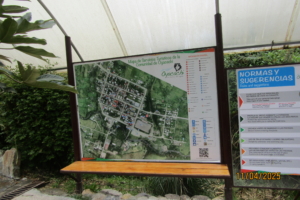 The village’s “magic” rests on a governance model that keeps value in the community: land is held under communal rights, services are managed collectively and local rules (like banning alcohol sales) shape daily life.In 2023, the UN World Tourism Organization named Oyacachi a “Best Tourism Village” for blending nature stewardship with rural tourism.
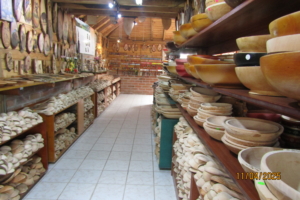 Yet water brings risk too: recent floods and landslides disrupted roads and trout production, forcing recovery efforts. ECLOF supports resilience by financing the community-owned savings and credit cooperative (caja de ahorro y crédito), offering credits tailored to seasonal cash flows. Lighter during rainy months, yet stronger in peak tourism periods. Families typically use working capital from ECLOF for restaurant renovations, minor home improvements, education expenses, and infrastructure development to support trout production.
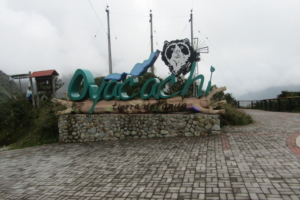 Water draws visitors, trout farming and tourism generate income, and community rules ensures value remains local. Through targeted capital, guidance, and the caja saving system, ECLOF empowers families to transform this mix of opportunity and risk into sustainable livelihoods, giving Oyacachi its “magic” label without sentimentality.

 Building Justice Through Unity: ECLOF Kenya at Act Ubumbano Solidarity Hub ...
